Jet washing is faster and far more powerful on hard exterior surfaces; manual cleaning is gentler and safer on delicate or fragile ones. For large paved, concrete and masonry areas, pressure washing wins on speed and results; for soft stone, old render or anything that pressure could damage, manual or low-pressure methods are safer. Bottom line: match the method to the surface, not the other way round.
What jet washing does best
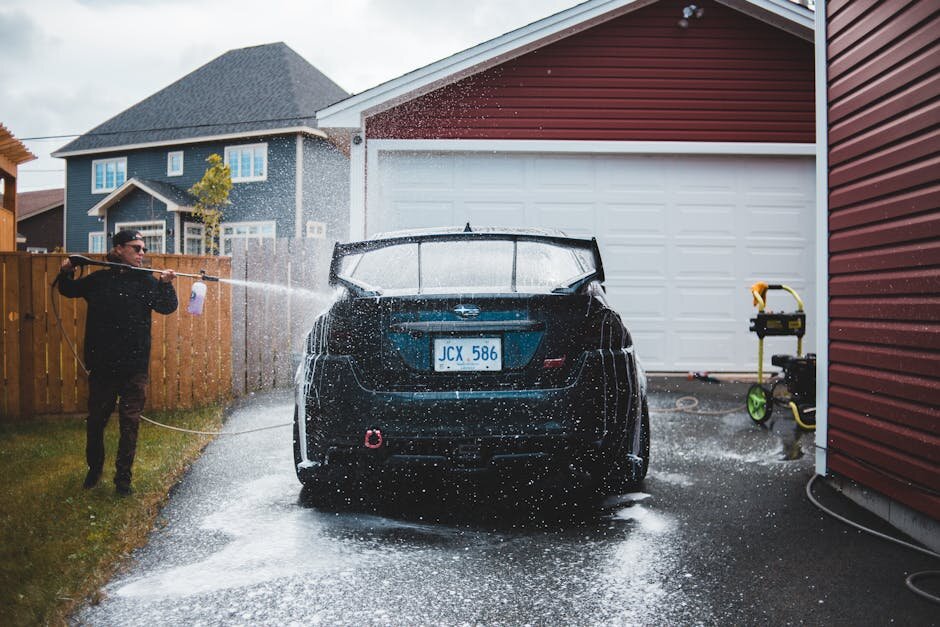
Jet (pressure) washing uses high-pressure water to blast off dirt, moss, algae, chewing gum and ingrained grime from hard surfaces. It is the efficient choice for car parks, forecourts, service yards, paving, concrete, brickwork and cladding, where the area is large and the surface is robust. Commercial jobs typically run at around £2–£4/m², and it clears in minutes what would take hours by hand.
What manual cleaning does best
Manual cleaning — brushes, hand tools, detergents, and low-pressure or steam methods — is the safer choice where high pressure would cause damage: soft or historic stone, lime mortar, aged render, painted surfaces, sealed decking, and areas near delicate fittings, signage or planting. It gives control that a pressure lance cannot, and avoids driving water into joints and substrates.
Surface risk: the deciding factor
High pressure in the wrong hands damages surfaces — it can strip pointing from brickwork, pit soft stone, lift loose render, force water behind cladding, and etch or gouge softer materials. The professional decision is always surface-led: identify the material, test an inconspicuous area, and choose the pressure and method it can tolerate. Getting this wrong turns a cleaning job into a repair bill.
Safety and compliance
Both methods carry duties. Pressure washing creates slip hazards from wet surfaces (slips and trips are the largest category of workplace injury), spray and noise, and any work at height (cladding, upper walls) falls under the Work at Height Regulations 2005, which require avoiding or properly controlling the risk rather than reaching for a ladder and a lance. Run-off must be managed so detergents and displaced contaminants do not enter drains improperly. We work to method statements and COSHH assessments for both.
Choosing the right method
Choose jet washing for large, robust hard surfaces where speed and power pay off. Choose manual or low-pressure methods for delicate, historic or damage-prone surfaces, or tight areas near fittings. Often the right answer for a single site is a mix — pressure wash the yard and paving, hand-clean the frontage and stonework. We survey the surfaces and specify the safe method for each.
Jet washing vs manual cleaning
| Factor | Jet (pressure) washing | Manual / low-pressure cleaning |
|---|---|---|
| Cost | Fast; ~£2–£4/m² on hard surfaces | Slower and more labour-intensive per m² |
| Control | Powerful, but easy to overdo on soft surfaces | Precise, controllable, gentle |
| Reliability / cover | Clears large robust areas quickly | Best where consistency and care matter more than speed |
| Compliance | Manage slips, run-off and work-at-height risk | Lower surface-damage and run-off risk |
| Best for | Car parks, paving, concrete, brickwork, cladding | Soft/historic stone, aged render, painted or delicate surfaces |