
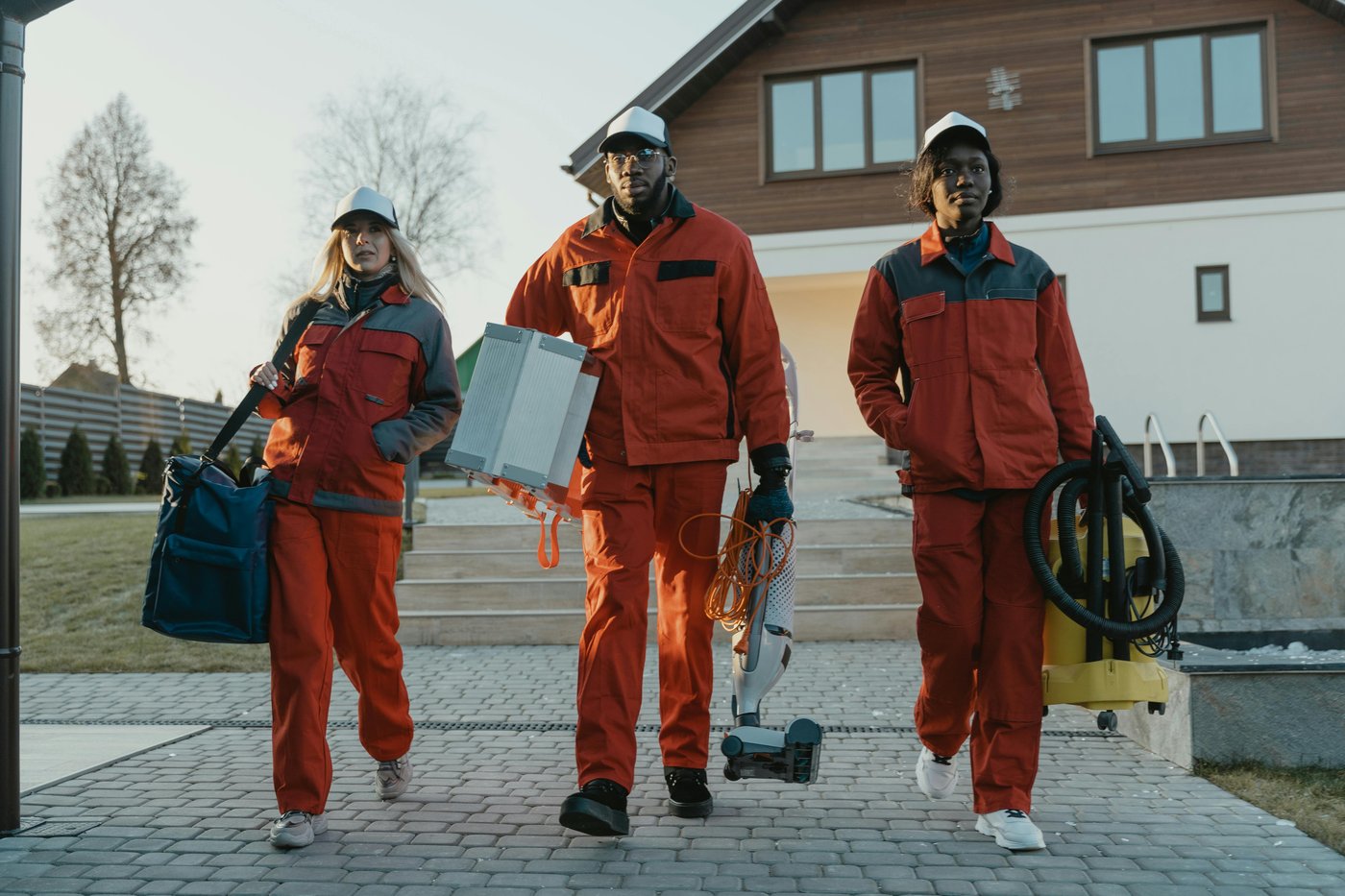
Children's home cleaning is safeguarding-led cleaning of a residential setting for children, where the correct regulator is Ofsted — not CQC — even though healthcare infection-control principles still apply. Optus Glean UK cleans Ofsted-registered children's homes using operatives who hold Enhanced DBS checks with the Children's Barred List check, all PAYE-employed and trained to a documented standard.
Who regulates children's homes — Ofsted or CQC?
In England, children's homes are regulated by Ofsted, not CQC. Providers must register with Ofsted before operating — running an unregistered children's home is a criminal offence — and homes must meet the Children's Homes (England) Regulations 2015, inspected under the Social Care Common Inspection Framework (SCCIF). It is a common and costly mistake to assume CQC covers children's homes; getting the regulator right is part of getting the cleaning contract right.
How do infection-control cleaning principles still apply?
Although the regulator differs, the underlying hygiene principles do not. We apply the same infection-control discipline used across our healthcare cleaning — BICSc colour-coded equipment to prevent cross-contamination, COSHH-assessed products, correct disinfectant contact times, and documented method statements — because a home full of children needs bathrooms, kitchens and communal areas kept genuinely hygienic. The frequency logic behind the NHS 2025 standards informs how we schedule higher-risk areas, without claiming a healthcare regulator applies.
Why do children's-home cleaners need Enhanced DBS with the Children's Barred List?
Working in a children's home is regulated activity with children, so operatives require an Enhanced DBS check with the Children's Barred List check (or Disclosure Scotland PVG / AccessNI equivalents). Every operative is PAYE-employed, safeguarding-briefed, and assigned as a named, consistent presence — never casual or gig labour passing through a home where children live.
How do you clean respectfully around children living in the home?
A children's home is a home first. We agree access, timing and boundaries with the home's manager, keep chemicals and equipment secured and never left unattended, and brief operatives on discretion, appropriate conduct, and the home's safeguarding expectations. Continuity of the same vetted faces supports the settled environment these children need.